
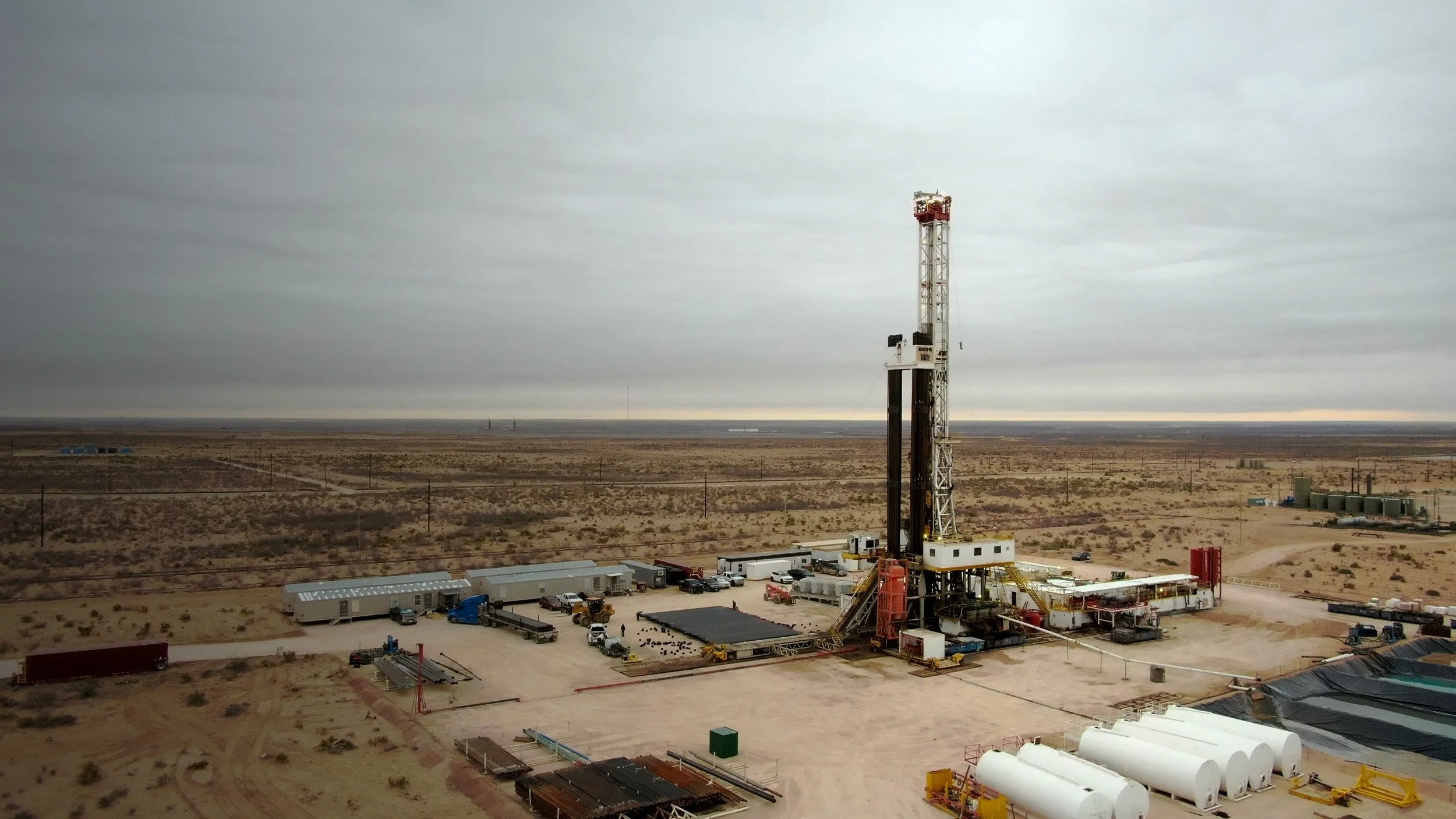
Oil & Gas Operators
Unrivaled engineering expertise.
Just a phone call away.
[02]Capabilities
Cheap help gets expensive fast.
Decades of
Experience
We aren't a pop-up firm or a tech platform learning the oilfield on your dime. We’ve been here since 1976, offering the stability, technical depth, and track record required to safeguard and streamline your operation.
Staffing Without
the Headache
Get a proven, top-tier team on-site exactly when you need them, without the burden of long-term headcount. We handle the recruiting, vetting, and onboarding so you can scale operations up or down seamlessly, paying for elite expertise only when it’s producing results.
Vetted,
Elite Talent
Some of our competitors aren’t exactly picky. Our reputation rests on every person we send to your wellsite. We only deploy seasoned, highly-recommended consultants who know how to protect your personnel, assets, and bottom line from day one.
Risk & Liability
Protection
Running an oilfield comes with steep administrative and legal exposure. GSM is a time-tested partner that safely absorbs employment liabilities such as workman's comp, tax compliance, and payroll exposure, so you can run a low-risk, high-profit operation.
Cutting-Edge
Technology
GSM pioneered modern relief well control technology, so innovation is part of our DNA. Today, we deliver supermajor capabilities to every project. Whether you're an industry leader or a new asset owner, we help you maximize total recovery, optimize flow rates, and master your decline curves.
Seamless MSA
Compliance
We make working together easy by meeting or exceeding every standard Master Service Agreement requirement. From flexible liability and insurance coverage to corporate training, drug testing, and well-control compliance, we handle everything.
Relentless
Problem
Solvers
When unexpected challenges arise, you need an elite team. Backed by decades of real-world crisis management born from deep engineering expertise, we take pride in finding and executing solutions that keep you in the black.
[03]Services
Elegant solutions for challenges large and small.
From routine field support to complex technical challenges, GSM delivers the talent, tools, and technical authority to execute seamlessly. On time, safely, and on budget.
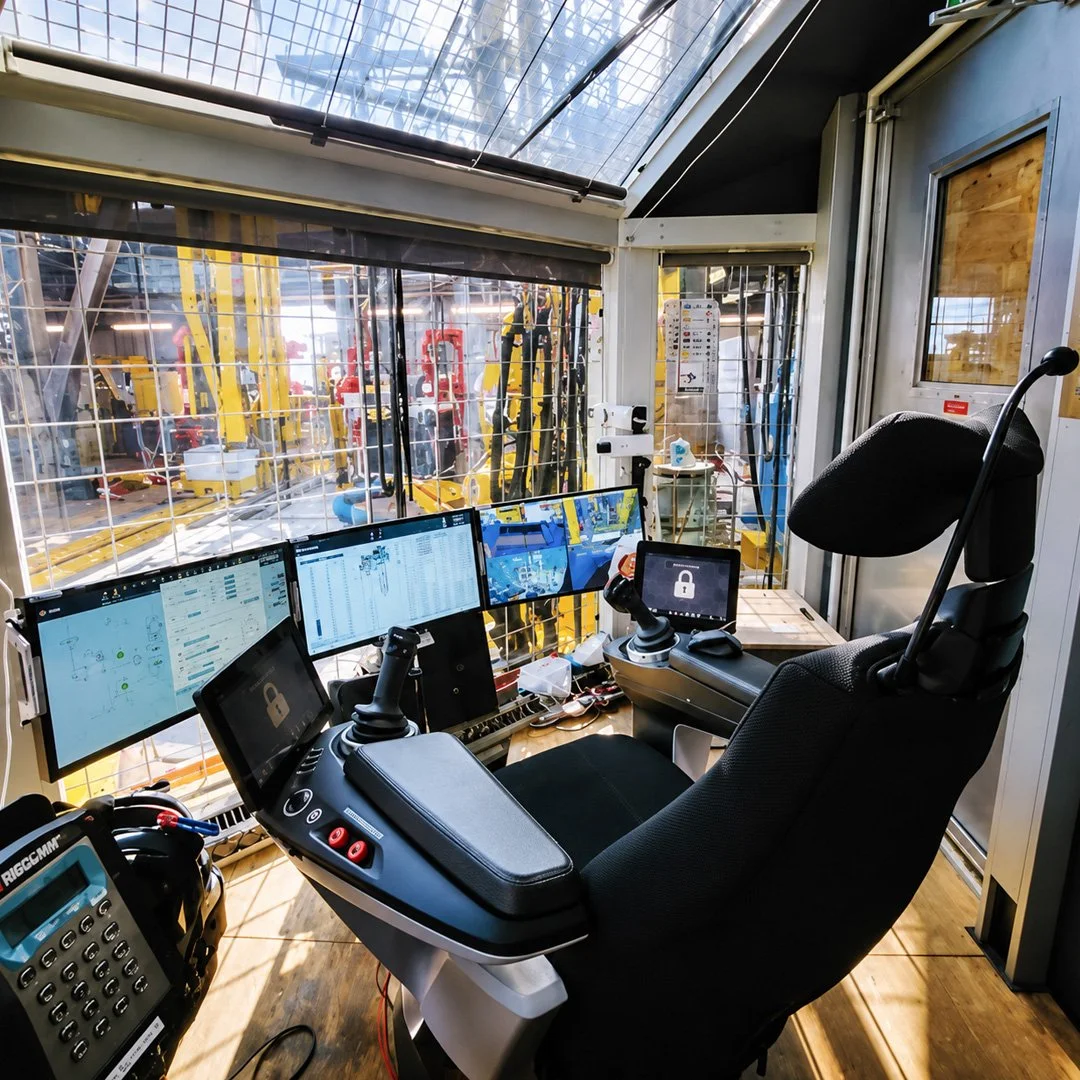
Wellsite Consulting
Every role, staffed by the best in the business.
Learn More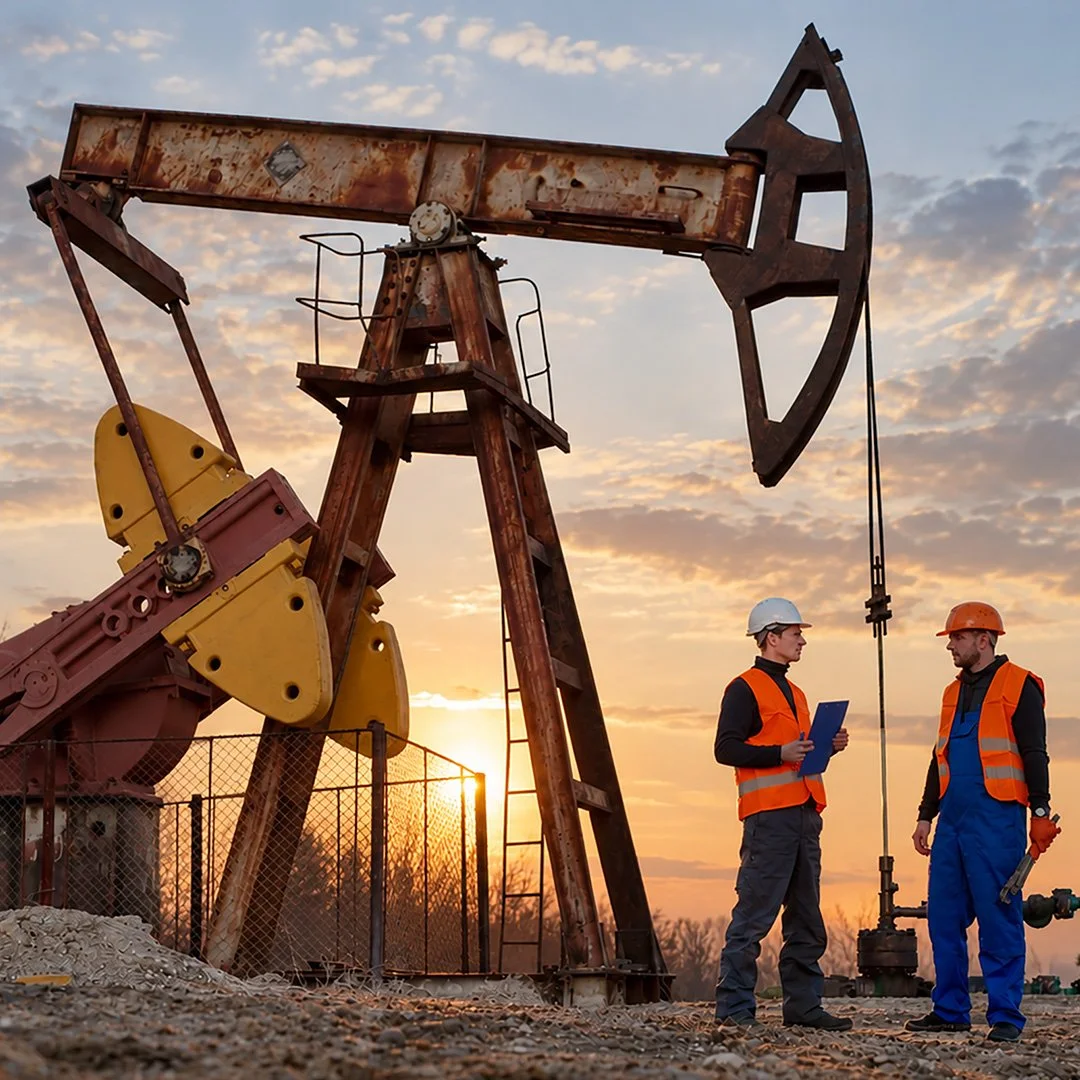
Operations Engineering
Higher production. Less cost. Less risk.
Learn More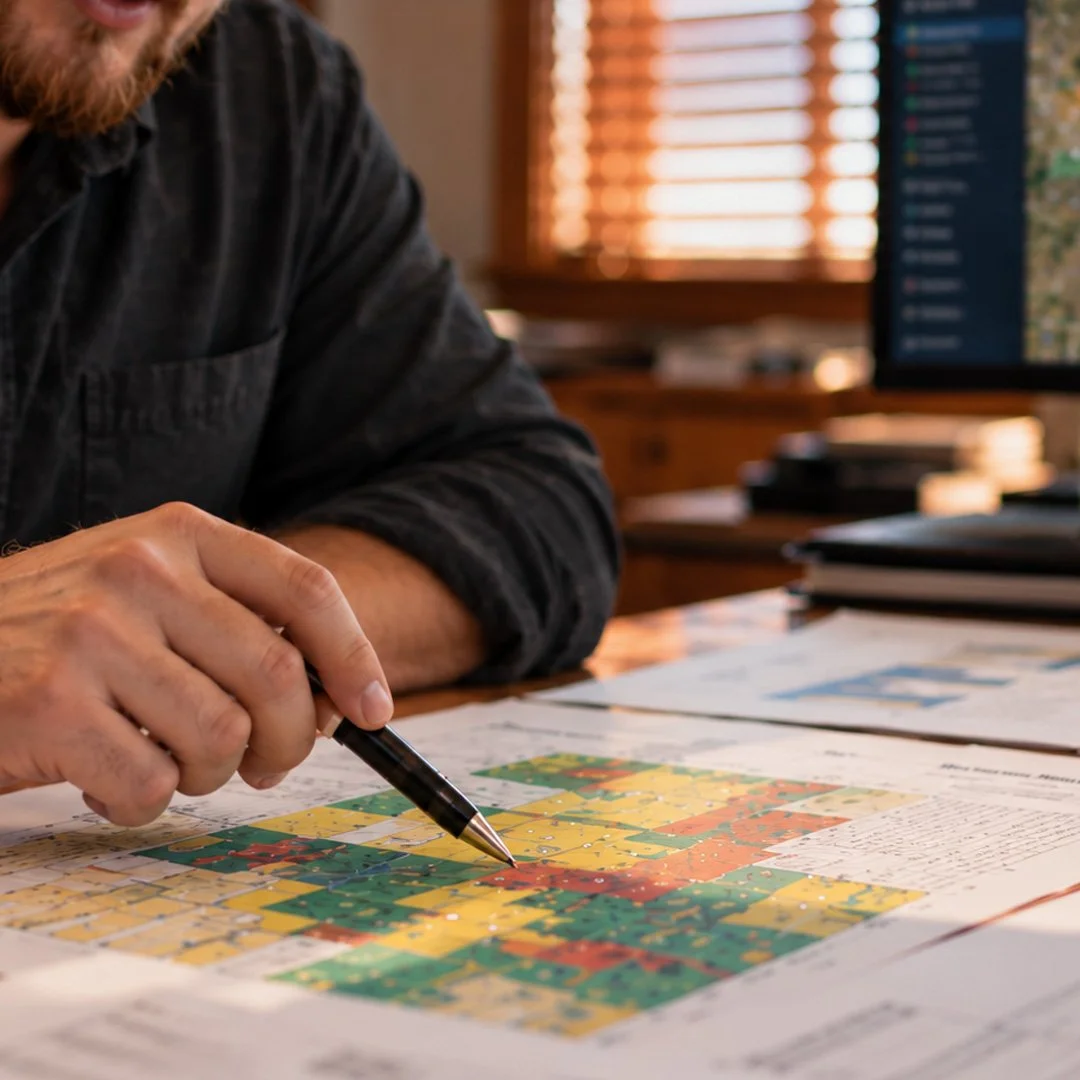
Reservoir Valuations
Thousands of feet of rock, reduced to a number you can understand.
Learn More
Litigation Support
Expert technical analysis backed by proven courtroom experience.
Learn More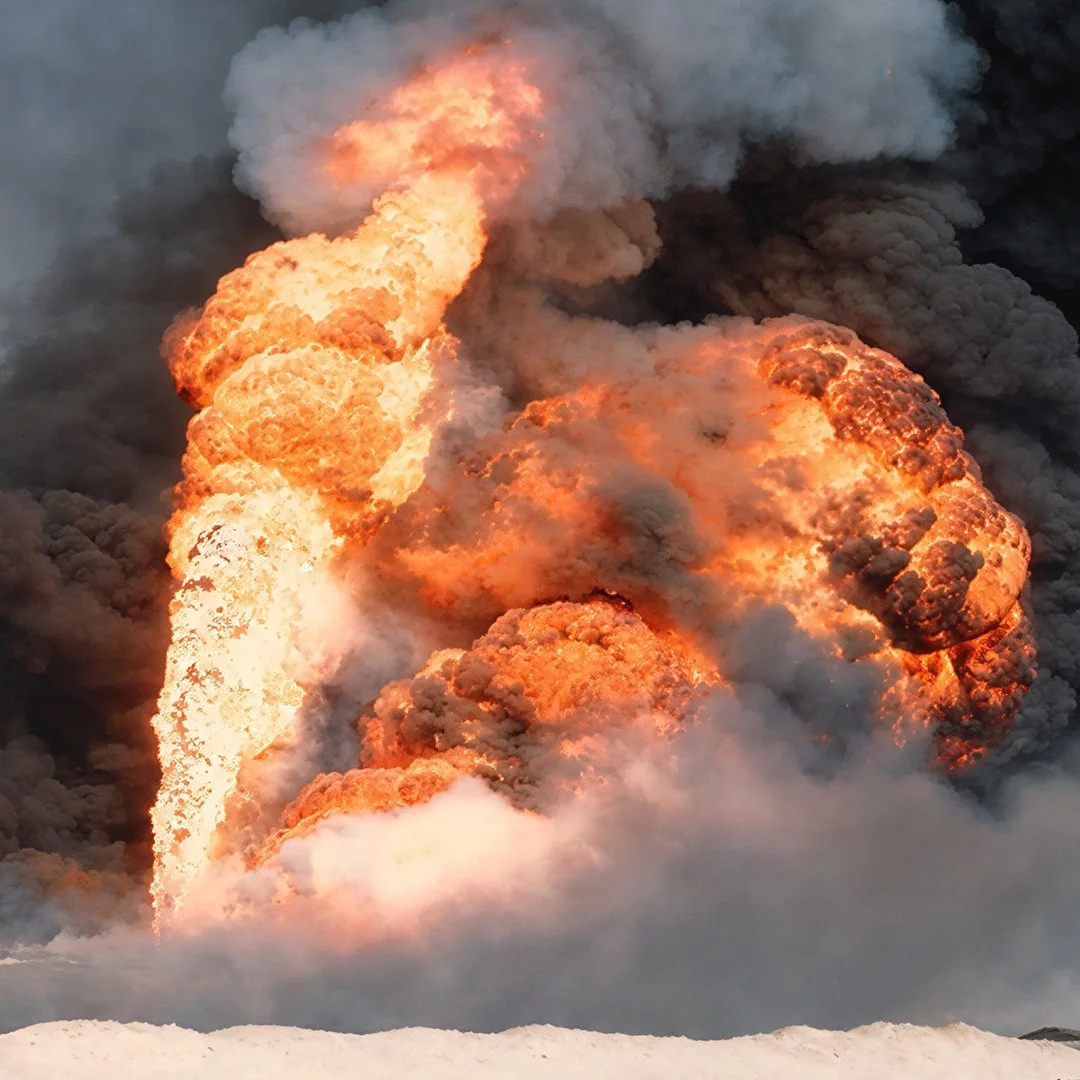
Well Control
Decades and decades of innovative problem solving.
Learn More
[04]Operator Support
New to the oil industry? Need help?
(806) 358-6894 (24 Hours) / contact@gsm-inc.com
[05]Global Reach
Since 1976, we’ve solved some of the toughest challenges in the world.
Our past accomplishments created the company we are today. Over the decades, GSM has worked with governments and private clients alike on newsworthy projects. Today, armed with the best talent in the business, we continue to leverage our knowledge and expertise to create effective and efficient solutions that drive the industry forward.
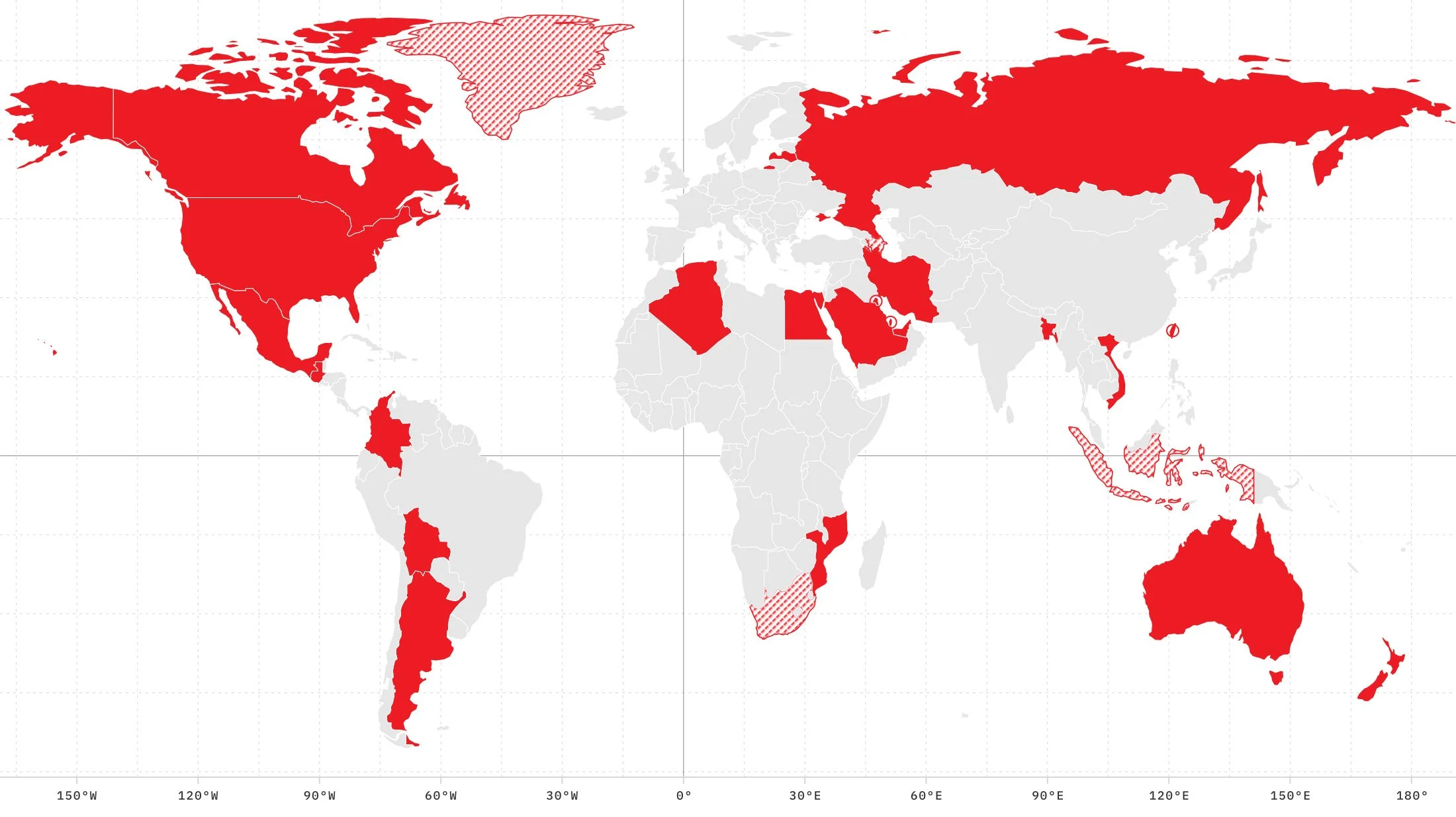
International
GSM has a vast global legacy winding through Kuwait, Saudi Arabia, the UAE, Russia and beyond. At some point in time, nearly all of the world’s most important oil producing nations have turned to us for our guidance and engineering solutions.
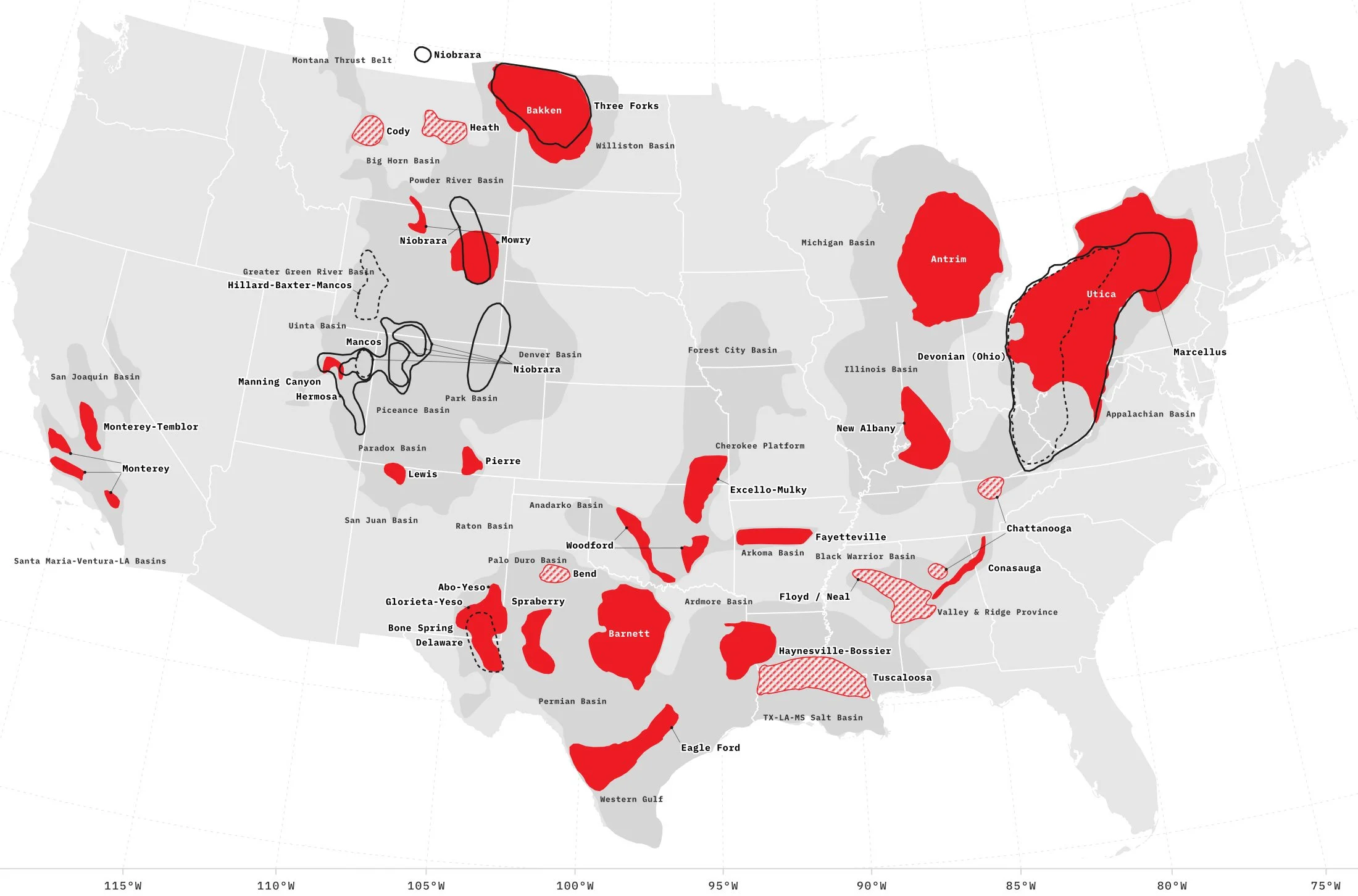
Domestic
From the Bakken basin to the Eagle Ford, from onshore to offshore, from deepwater to shelf, we’ve worked across the United States, solving problems in every possible condition and in every imaginable situation.
[06]Case Studies
Project Highlights.
06.1
Kuwait
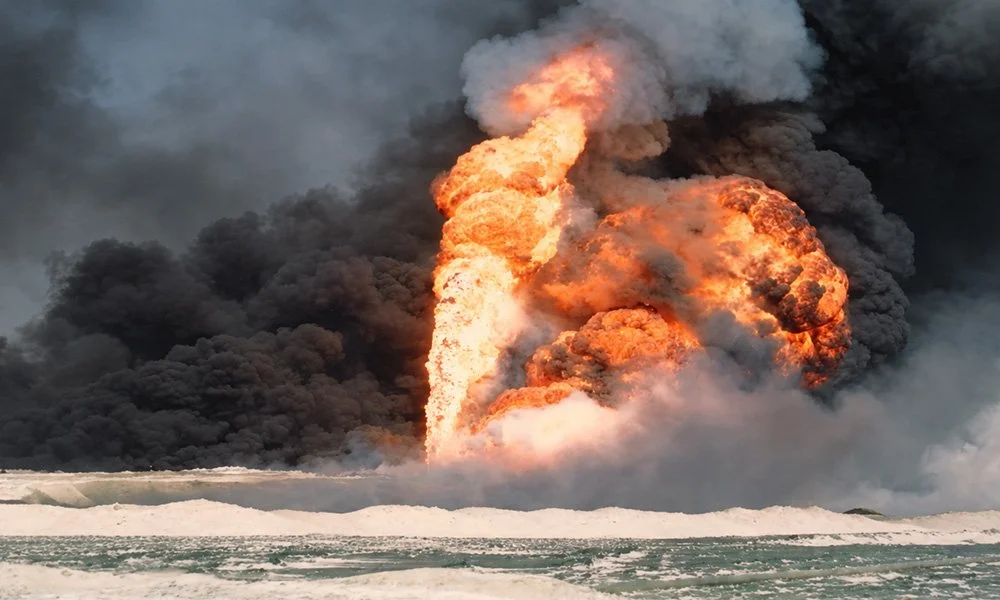
Over 300 well fires. One historic result.
When Iraqi forces retreated from Kuwait in 1991, they detonated explosives on the country’s oil wells, leaving nearly 700 wells blown out and most of them burning. Smoke turned day into night, oil collected in burning lakes several feet deep, and every truck, tool, and building in the oil fields had been destroyed or stolen. Experts predicted it would take five years to bring the fires under control. GSM directed firefighting and well control in the Greater Burgan Field, Kuwait’s largest oilfield. Engaging 27 teams from around the world, the effort extinguished the last fire in just 229 days.
06.2
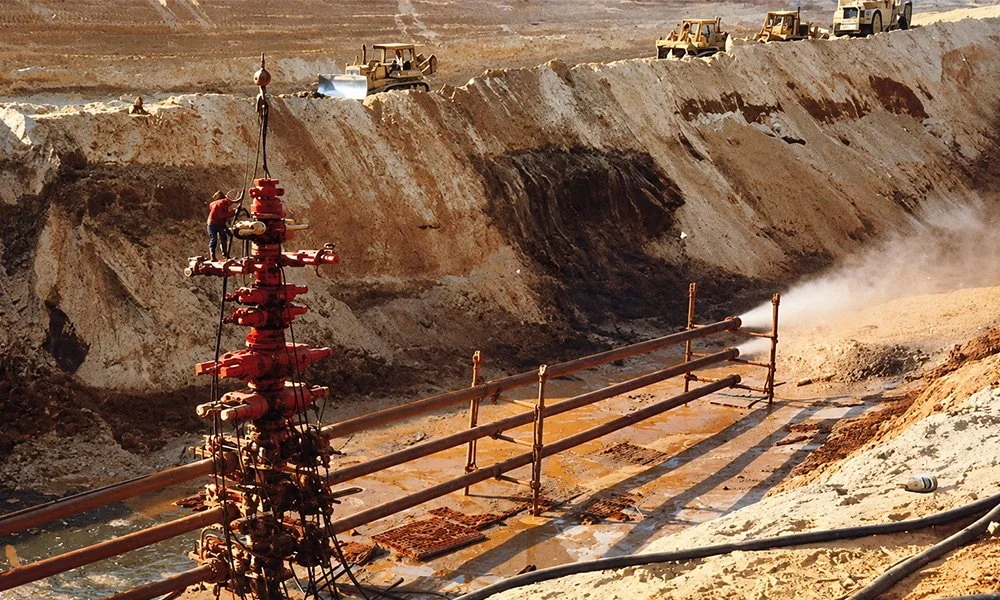
Apache Key Blowout
Turning a problem into a profit.
In 1981, one of the most productive natural gas wells ever drilled in the Texas Panhandle blew out in what became known as the largest blowout in Texas history. Stopping it meant drilling a relief well more than 15,900 feet deep and reaching a 5-inch pipe at the bottom of the blowout well, a target smaller than a coffee can, nearly three miles underground. GSM narrowed the search area from hundreds of feet to a small rectangle by studying nearby wells, then used both proven and experimental tracking tools to steer the relief well into the target. The intercept, made in February 1983, was the deepest of its kind at the time, and the well was brought under control within two hours.
06.3
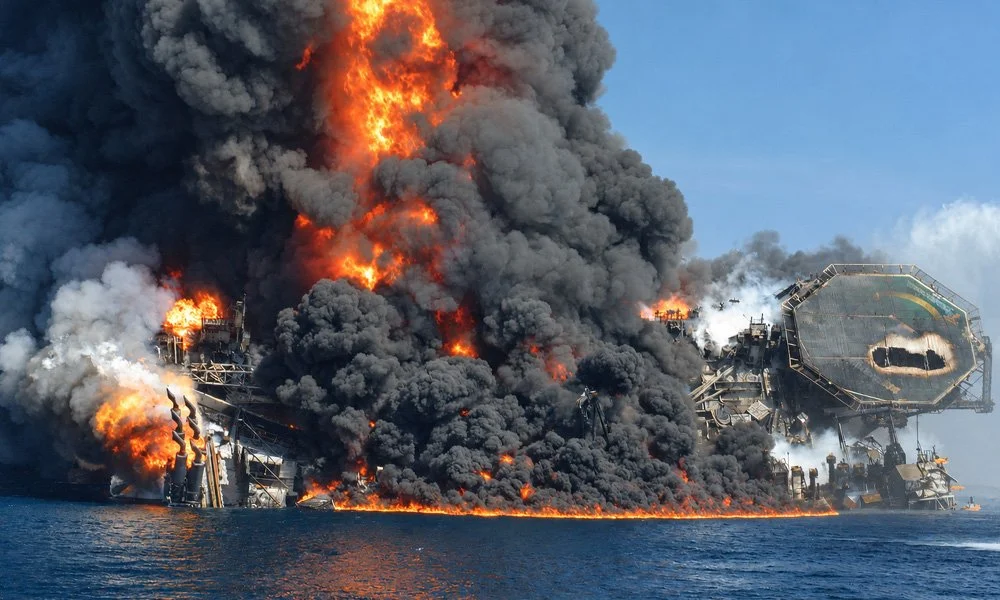
Deepwater Horizon
Proof that nothing is impossible.
On April 20, 2010, a blowout on BP’s Macondo well in the Gulf of Mexico caused an explosion and fire aboard the Deepwater Horizon drilling rig, taking eleven lives. The rig sank two days later, and oil flowed from the well, a mile below the surface, for 87 days. GSM was brought in to help lead the well control effort alongside BP, contributing decades of blowout and relief well experience to one of the most complex well control operations in history. The well was capped in July and permanently sealed that September.
06.4
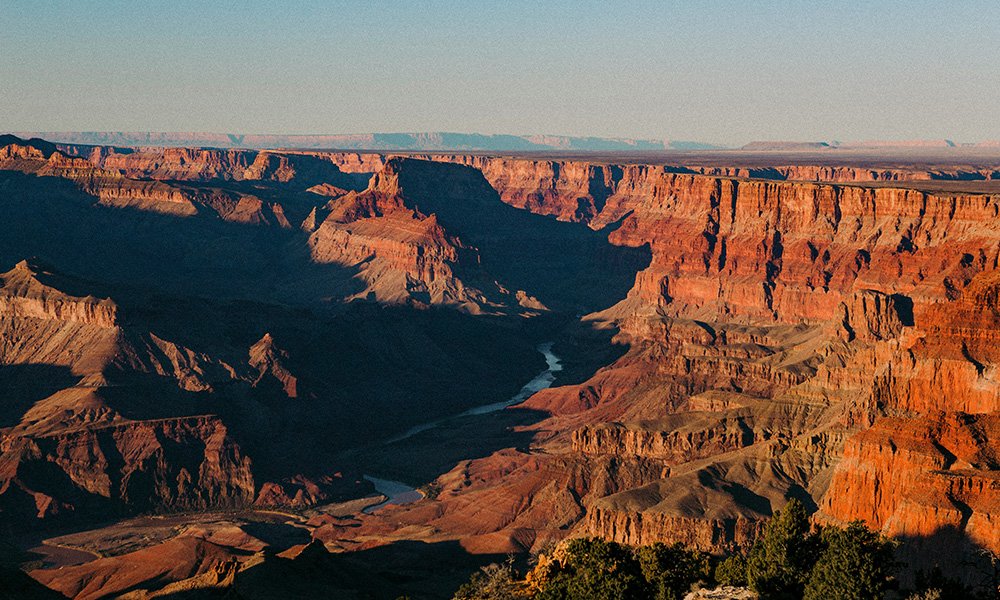
Grand Canyon
Tough problem. Majestic solution.
When Grand Canyon National Park needed a new way to move water from Indian Gardens up to the South Rim, the National Park Service chose to drill a tunnel-like well through the canyon wall instead of building another exposed pipeline down the cliffs. That approach was safer for workers, protected the line from falling rock, preserved the canyon’s appearance, and cost roughly a third less. GSM drilled the 5,075-foot hole from Yavapai Point down and out through the canyon wall, working through fractured rock and underground caverns, and hit a 50-foot target on the cliff face with room to spare. The Park Service then ran its waterline through the finished hole to serve millions of visitors a year.
06.5
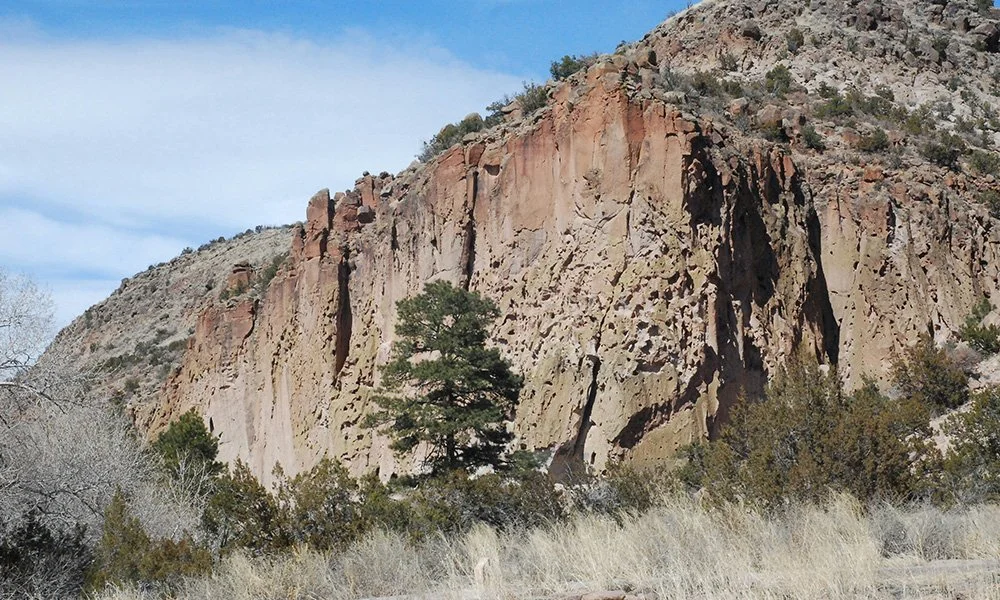
Los Alamos
Pioneering an entirely new way to drill.
Working alongside Los Alamos National Laboratory in northern New Mexico, GSM helped drill and complete a pair of experimental geothermal wells designed to pull heat from solid granite nearly three miles underground. Temperatures exceeded 600°F, hot enough to destroy standard oilfield bits, motors, and instruments, and the second well had to be steered to run 1,200 feet directly above the first. The project depended on modified equipment, high-temperature tools, and creative solutions to problems the industry had rarely faced. Our work produced lessons that shaped how deep, hot wells are drilled today.
[07]Contact
Ready to Chat?
[08]Frequently asked questions
Working With GSM
-
Absolutely. Every operation is different. Our team works with each client to understand their specific challenges and provide the personnel, expertise, and support that best fit their needs.
-
Yes. Our team has extensive experience supporting technically demanding projects involving complex drilling, engineering, well control, and regulatory challenges.
-
Yes. GSM provides forward-thinking well control solutions and specialized expertise, including relief well technology.
-
Yes. GSM assists clients with changing legal and regulatory requirements through objective operational assessments and auditing services.
-
Contact GSM directly through our website, and a member of our team will be happy to discuss your project and determine how we can help.
Engineering Services
-
Our engineering services cover the full lifecycle of a well, including drilling and completion, production and artificial lift optimization, workover and recompletion planning, reserves and economic evaluation, production and reservoir analysis, well integrity review, regulatory permitting support, and technical evaluation for litigation and dispute resolution. All performed under the supervision of licensed professional engineers.
Drilling Engineering
-
Yes. We prepare drilling programs including casing design, mud weight and pore pressure planning, directional plans, bit and BHA recommendations, and cost estimates.
-
Yes. We review and analyze the full scope of a drilling program including casing design, kick tolerance, and pressure assumptions. We provide a written, professional review with specific engineering recommendations rather than a general opinion.
-
Yes. We support operations in real time, whether that is monitoring against the plan remotely, reviewing daily reports, evaluating a change in conditions downhole, or, when requested, putting an engineer on location. Further, we can benchmark rate of penetration, connection time, tripping efficiency, and non-productive time by cause, then quantify the expected cost.
Completions
-
We provide completion design and optimization, perforating and stage design, fluid and proppant selection, frac modeling and post job diagnostics, and evaluation of refrac and recompletion candidates. We also review completion designs prepared by a service company on the operator's behalf.
-
Yes. We identify candidates, prepare the procedure, estimate cost and expected uplift, and evaluate results afterward. Candidate selection is data driven, using production and pressure history, offset performance, and gas composition where available.
-
We look at remaining reserves behind pipe, mechanical condition of the wellbore, current and forecast pricing, and the cost of the intervention. Our answer is based on economics. We give you the incremental cash flow and the appropriate assumptions so you can make an informed decision.
Production Engineering
-
We can perform nodal analysis and inflow performance evaluation, artificial lift design and troubleshooting, tubing and flowline sizing, wellhead and separator pressure optimization, and identification of surface constrained wells.
-
Yes, across rod pump, gas lift, plunger lift, ESP, and other forms of artificial lift. Our work includes lift selection for a new well, redesign of an underperforming installation, dynamometer and fluid level interpretation, and failure analysis on repeat failure wells.
-
Yes. We address paraffin, scale, hydrates, corrosion, and emulsion issues, including chemical program review. We look at whether the treatment program is solving the problem or just costing money.
Data & Analytics
-
Production surveillance and exception reporting, well ranking and candidate generation, downtime and deferment accounting, and SCADA and measurement data analysis. Our engineers came out of operator analytics groups and build the analysis around the decision you are trying to make.
-
Whatever you have. Typically production and injection volumes, well test data, SCADA or historian exports, well files and completion records, and monthly operating statements. If the data is incomplete or inconsistent, we will tell you what it can and cannot support before we build anything on it.
-
Yes. We routinely work with high frequency pressure, rate, and runtime data, including cleanup of the sensor artifacts and gaps that make raw tag data misleading.
-
Both. While most clients prefer to combine our analytics with our engineering expertise, others just want the model, the dashboard, or the workflow so their team can run it as needed.
-
Yes. This is a core part of what we do. We combine production history, gas composition, wellbore condition, and offset performance to rank the field by expected value per dollar of intervention, then work the list from the top. Screening the field is inexpensive compared to reworking the wrong well.
-
Yes. We provide meter proving and configuration review, allocation methodology, and reconciliation of production volumes against sales statements. Combined with our integrated gas analysis capability, we can evaluate both the volume and the composition side of a measurement dispute.